

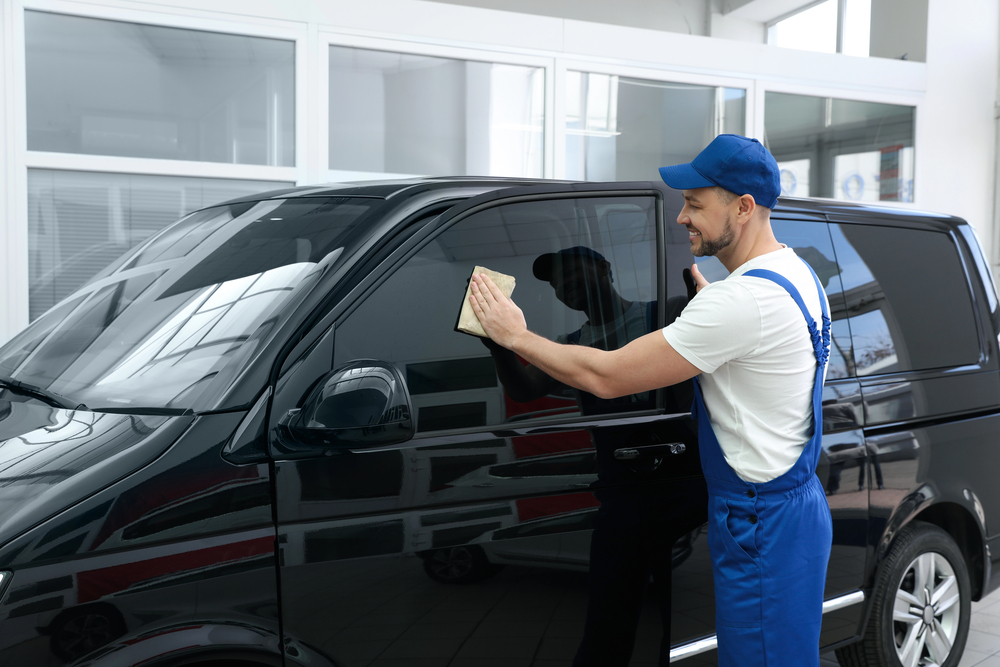
At See Near Me, we connect local businesses, including auto services like window tinting, with customers looking for reliable solutions. With the right type of tint, your car’s windows can offer both aesthetic and functional improvements.
Understand the Benefits of Window Tinting
Before diving into the specific types of window tint, let us review why you might want to consider tinting your vehicle’s windows. The benefits include:
- UV Shielding: Tinted windows effectively block ultraviolet (UV) rays, safeguarding your skin from potential damage and helping preserve your car's interior by preventing it from fading or deteriorating over time.
- Heat Reduction: Tinted windows can keep the inside of your vehicle cooler, reducing the need for air conditioning.
- Privacy: Tinted windows reduce how visible your car’s interior is, giving you more personal space while driving or parked.
- Improved Aesthetics: Tinted windows can improve your vehicle's look, giving it a sleek and polished appearance.
With these advantages in mind, let us explore the types of window tint available for your car.
Type 1: Dyed Window Tint
This tint is one of the most common and affordable types of tinting. This type of tint contains a dyed film that is applied directly to the window using a bonding layer, blocking a significant portion of sunlight and UV rays. Here’s why you might choose dyed tint:
- Affordable: This is one of the most budget-friendly options for window tinting.
- Great Appearance: It offers a dark, sleek look.
- Moderate UV Protection: While it does offer protection, it is not as effective as some other types of tint in blocking UV rays and heat.
However, dyed tint may fade over time, especially in regions with high sun exposure. It is a good choice if you are looking for a stylish, cost-effective solution, but do not need maximum heat reduction.
Type 2: Metallized Window Tint
Metallized window tint uses small metallic particles that are embedded in the tint film. This type of tint is known for its excellent heat-rejection properties and durability. It is one of the best types of window tint for hot climates. The metallic coating reflects heat away from your car, keeping the interior cooler.
Key benefits:
- Heat Rejection: Metallized tint is more effective at reducing heat inside your car than dyed tints.
- Scratch Resistance: The metallic particles add durability and make the tint more resistant to scratches.
- Enhanced Privacy: It also offers a higher level of privacy due to the reflective properties of the metallic coating.
On the downside, metallized tint can interfere with GPS and radio signals, so it might not be the best choice if you rely heavily on electronic signals in your vehicle.
Type 3: Carbon Window Tint
This tint is a more advanced option that offers both aesthetic and practical benefits. This type of tint is made with carbon particles that offer exceptional heat rejection and UV protection.
Why choose carbon tint?
- Great Heat Rejection: It offers better heat reduction than both dyed and metallized films.
- UV Protection: It blocks up to 99% of harmful UV rays, helping to preserve your car’s interior and protect your skin.
- No Signal Interference: Unlike metallized tints, carbon tints do not interfere with GPS or radio signals.
- Modern Look: It has a matte finish that looks sleek and stylish.
While carbon tint is more expensive than the previous options, it offers superior performance and is ideal for those seeking long-lasting results.
Type 4: Ceramic Window Tint
Ceramic window tint is one of the highest-performing options available. It uses non-metallic ceramic particles to block heat and UV rays. This type of tint offers some of the best performance in terms of heat rejection, glare reduction, and UV protection.
Advantages of ceramic tint:
- Exceptional Heat Rejection: Ceramic tint offers superior heat protection compared to all other types of tint.
- Clear Visibility: It offers a clear view from inside the vehicle, even at night, without the dark, reflective look of metallized tints.
- No Signal Interference: Like carbon tint, ceramic film does not interfere with your car’s electronics.
- Long-Lasting: It is highly durable and will not fade like dyed or metallized films.
The only downside is that ceramic tint is more expensive than other options. However, the long-term benefits often justify the investment for those seeking optimal performance.
Type 5: Crystalline Window Tint
Crystalline window tint is another high-tech option that uses a multi-layer film with nano-technology. Unlike traditional tints, crystalline tint is designed to block heat and UV rays without darkening the windows too much.
Why choose crystalline tint?
- Clear Performance: It offers excellent UV protection without significantly darkening the windows, so it’s ideal if you want to maintain the natural light in your car while blocking harmful rays.
- Heat Rejection: Crystalline tint can reduce heat by up to 60%, making it an excellent choice for warmer climates.
- Enhanced Visibility: It offers a clear, bright view without the darkened appearance of traditional tints.
Crystalline tint is a premium option and typically more expensive than other films, but its performance and subtle appearance make it a solid choice for those who want effective heat rejection without altering the look of their windows.
Choosing the Right Type of Tint for Your Car
Now that you know the types of window tint for cars, how do you choose the right one? Here are a few key factors to consider when making your decision:
- Budget: If you are looking for an affordable option, dyed tint might be your best bet. However, if you want long-term performance, ceramic or carbon tints are worth the extra investment.
- Climate: If you live in a hot climate, you will benefit from tints that offer better heat rejection, such as metallized or ceramic tints.
- Privacy Needs: If privacy is a priority, metallized and dyed tints give darker shades, while ceramic tints give high levels of privacy without compromising visibility.
- Aesthetic Preferences: Some tints, like carbon and ceramic, offer sleek, modern finishes that can improve your car's overall look. Others, like dyed tints, may offer a more traditional appearance.
- Signal Interference: If you use GPS or radio frequently, you will want to avoid metallized tints as they can interfere with signals. Consider carbon or ceramic tints instead.
Choosing the right types of window tint for cars depends on your needs, budget, and location. If you are looking for privacy, heat rejection, or UV protection, there is a tint that suits your preferences. From dyed tints to the premium ceramic tints, each option offers distinct benefits for your car.
At See Near Me, we support businesses that offer window tinting services, helping you connect with reliable local experts. With the right tint, you can enjoy a more comfortable ride, better privacy, and a stylish look, all while protecting your vehicle's interior and your skin.


