

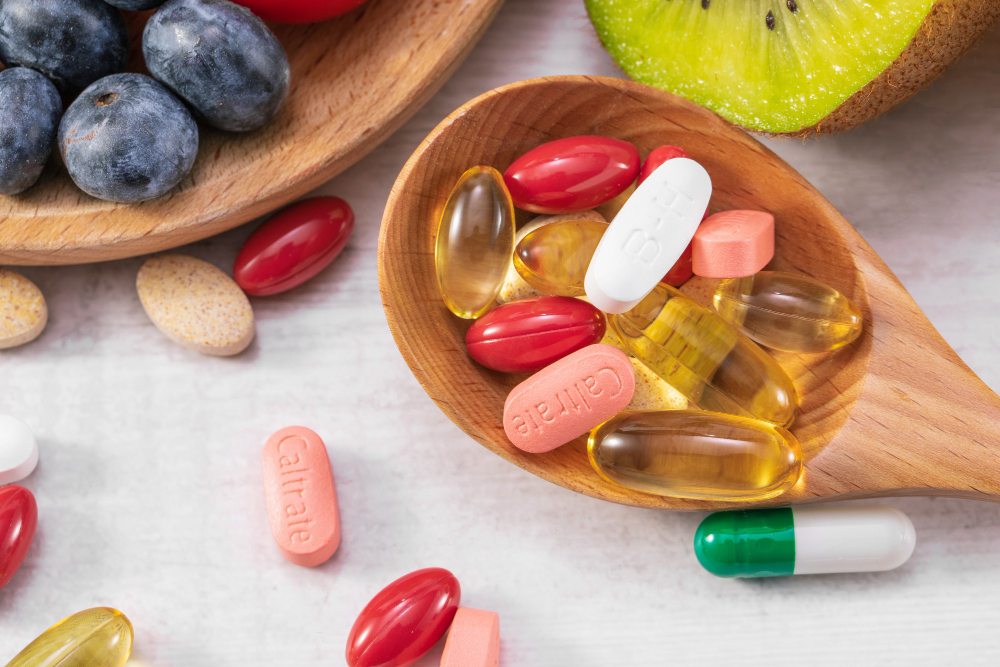
Bright labels, bold claims, and endless options fill store shelves with promises of better health. Health supplements attract attention because they appear to offer simple solutions for energy, immunity, digestion, and longevity. Yet scientific evidence does not always validate these claims. Many people spend significant money on products that may not match their needs.
Understanding how supplements work, what research shows, and where caution is needed helps you make informed choices that protect both health and budget.
Understanding What Health Supplements Really Are
Health supplements are part of personal care. They are products taken orally to add nutrients to the diet and to support overall health. They include vitamins, minerals, herbs, amino acids, fiber products, probiotics, and protein powders. These products appear in tablets, capsules, gummies, powders, and liquids.
Unlike prescription medications, supplements do not go through the same approval process by the Food and Drug Administration. Manufacturers carry responsibility for safety and labeling accuracy before the product reaches the market. This difference explains why marketing claims sometimes appear stronger than scientific evidence.
A balanced diet with fruits, vegetables, whole grains, lean proteins, nuts, and seeds often reduces the need for many supplements. However, certain groups benefit from targeted supplementation based on age, medical condition, or nutritional deficiency as part of a broader personal care routine.
The Role of Evidence in Choosing Supplements
Peer-reviewed studies offer insight into what works and what does not. Some supplements show consistent health benefits. Others lack solid research evidence or show mixed results. Third-party testing organizations such as NSF International and United States Pharmacopeia (USP) verify purity and dosage accuracy, which adds another layer of reliability.
Speaking with a health care professional before adding supplements to your routine remains a wise step. Interactions with medications, health conditions, and surgical procedures can create unexpected risks.
Supplements That Often Show Measurable Benefits
Vitamin D
Vitamin D aids calcium absorption and maintains bone health. Older adults, people with limited sun exposure, pregnant women, and children often benefit from supplementation. Research also links vitamin D deficiency to mood disorders and insulin resistance.
Calcium
Calcium intake becomes more challenging with age, especially for postmenopausal women at higher risk for osteoporosis. Supplements can help fill dietary gaps when dairy and calcium-rich foods fall short.
Iron
Iron supplements help individuals with iron-deficiency anemia, including pregnant women, young children, and older adults. Symptoms such as constant fatigue often signal the need for testing before supplementation.
Prebiotics and Psyllium
Prebiotics such as inulin and chicory root, along with fiber sources like psyllium, support healthy gut bacteria. These fiber sources support digestive health, bowel regularity, and reduced inflammation. Many people fall short of daily fiber needs, which makes these supplements helpful additions.
Protein Powder
Protein needs rise with age and physical activity. Protein powders help individuals who struggle to meet daily protein intake through food alone. Ingredient labels require careful review to avoid unnecessary sweeteners.
Fish Oil
Fish oil supplies DHA, an omega-3 fatty acid that promotes heart health and may help cognitive function. People who rarely eat fish benefit most from supplementation.
Supplements With Mixed or Limited Evidence
Multivitamins
Multivitamins remain popular but show little benefit for individuals with balanced diets. Research does not link multivitamins with longer life or disease prevention for the general population.
Magnesium
Magnesium receives attention for mood, sleep, and muscle cramps. Evidence remains inconclusive for many of these claims. People with digestive disorders or type 2 diabetes may benefit more than the average adult.
Probiotics
Probiotics contain many bacterial strains, and not all strains work for all conditions. Without targeted selection, benefits remain uncertain. Fiber and prebiotics often promote gut health more reliably.
Collagen
Collagen supplements claim to improve skin and joint health. Many studies include vitamin C, which makes it difficult to isolate collagen’s effect. Eating vitamin C-rich foods may offer similar benefits.
Green Powders
Green powders claim to replace vegetables in capsule or powder form. Ingredient lists vary widely, and whole vegetables still offer superior nutritional value.
Ashwagandha
Ashwagandha may reduce stress and improve sleep. People with autoimmune conditions, pregnant women, and those preparing for surgery should avoid it.
Signs You May Need a Supplement
Certain symptoms indicate possible deficiencies:
- Persistent fatigue may signal low iron or vitamin B12
- Bone pain or weakness may relate to vitamin D deficiency
- Digestive irregularity may point to low fiber intake
- Muscle loss with age may indicate a need for more protein
Testing and professional guidance should precede any supplement routine.
Understanding Safety and Regulation
Dietary supplements fall under the Dietary Supplement Health and Education Act. The FDA does not approve supplements before sale. Instead, the agency monitors safety after products enter the market and responds to adverse event reports.
This regulatory structure highlights the importance of reading labels carefully, avoiding exaggerated claims, and consulting professionals before long-term use.
Avoid mixing multiple supplements without guidance. Some ingredients interact with medications or lab tests. High doses can cause harm rather than benefit.
Food First, Supplements Second
Nutrition experts emphasize food as the primary source of vitamins and minerals. Whole foods contain complex nutrient combinations that supplements cannot replicate. Fruits, vegetables, legumes, seeds, nuts, whole grains, and lean proteins form the foundation of good health.
Making Smarter Choices With Health Supplements
When selecting supplements:
- Look for third-party testing seals
- Avoid products with exaggerated promises
- Read ingredient lists carefully
- Match supplements to actual health needs
- Seek professional advice for long-term use
These steps reduce wasteful spending and protect overall wellness.
The Growing Market of Health Supplements and Personal Care
Health supplements fall under a larger personal care market that includes vitamins, herbal products, digestive aids, and wellness tools. Consumers often search online for guidance before purchasing. This behavior connects health education with business directory services that list reputable sellers, nutrition experts, and wellness professionals.
For businesses in this space, managing accurate listings and educational content helps boost your search visibility while helping consumers make better decisions.
Discover Trusted Wellness Resources With See Near Me
At See Near Me, we connect you with reputable local businesses in personal care and wellness through our business directory services. You can explore verified professionals, discover health resources near you, and make informed choices with confidence.
Join our community, take part in grant opportunities, and connect with trusted experts who support healthier lifestyles.
FAQs
What are health supplements used for?
They are used to support overall health by filling nutritional gaps, improving immunity, and promoting general well-being.
Do health supplements replace food?
No, they are meant to complement a balanced diet, not replace whole foods.
Are health supplements safe to use?
Most are safe when taken as directed, but it’s important to consult a healthcare professional before use, especially for long-term intake.
Who should take health supplements?
People with nutrient deficiencies, specific health conditions, or dietary restrictions may benefit from supplements based on medical advice.


