

Electrical work forms the backbone of modern living and business operations. Homes and commercial properties rely on complex electrical systems to function safely and efficiently. Understanding the differences between a residential electrician and commercial electrician can help property owners make informed decisions, select the right professional for specific projects, and maintain safe, efficient electrical systems.
From skill sets and certifications to project scale and system types, each specialization presents unique challenges and opportunities that impact both the work performed and the safety of the environment.
Understanding the Role of a Residential Electrician
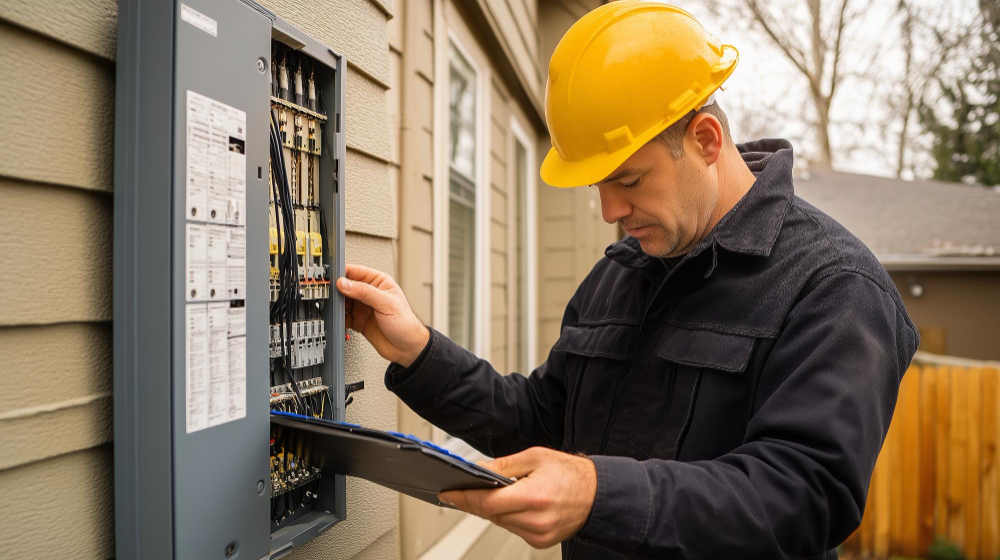
A residential electrician specializes in working within homes, apartments, and other living spaces. Their primary responsibilities often involve installing, repairing, and maintaining electrical systems to meet household needs.
During new home construction, residential electricians follow detailed blueprints to install wiring, outlets, switches, and electrical panels. They collaborate with architects, general contractors, and electrical supervisors to create systems that comply with local building codes.
In existing residences, their work shifts to diagnosis and repair. This may include troubleshooting malfunctioning circuits, replacing old wiring, installing ceiling fans, chandeliers, or modern lighting systems, and addressing problems with home appliances or smart home devices.
Residential electricians often communicate directly with homeowners to tailor solutions that fit the household’s lifestyle, technology needs, and safety requirements.
Exploring the Scope of Commercial Electricians
Commercial electricians operate in offices, retail spaces, industrial facilities, and other non-residential environments. The complexity of their work generally surpasses that of residential electricians, due to larger electrical systems, higher voltage demands, and the presence of specialized equipment.
In new commercial construction, these electricians install comprehensive electrical systems that power lighting, security, HVAC, machinery, and data networks. Projects may involve multiple contractors and require coordination with engineers, building managers, and government officials to comply with rigorous safety regulations.
Maintenance and repair represent another critical component of commercial electrical work. Commercial electricians handle system upgrades, troubleshoot faults, and install or maintain specialized equipment. They may also implement energy-efficient solutions or accommodate technological upgrades that keep businesses operational and competitive.
Comparing Training and Certifications
Both residential and commercial electricians begin with foundational training, typically through apprenticeship programs or technical schools. This training covers safety protocols, wiring principles, and electrical theory.
Commercial electricians often receive advanced training due to the complexity of their projects. Certain commercial buildings, including hospitals, government facilities, or industrial plants, require additional certifications to meet specific regulatory standards. Residential electricians may obtain certification for general electrical work, but the focus remains on single-family homes and small multi-unit properties.
Project Scale and Complexity
Residential buildings usually have smaller electrical systems with lower voltage requirements. Residential electricians manage systems that power standard home appliances, lighting, and small-scale electronics. Although modern homes increasingly incorporate smart devices and electric vehicle charging stations, the scale remains manageable compared to commercial settings.
Commercial projects demand larger, more intricate systems. Three-phase electrical systems are common to distribute power efficiently across large buildings. Commercial electricians handle higher voltage systems that support machinery, data centers, industrial equipment, and complex lighting networks. Their projects frequently involve multiple circuits, large power panels, and backup generators.
Electrical System Types
Residential electricians primarily work with single-phase electrical systems, which supply sufficient power for homes and small multi-unit buildings. These systems are simpler to install, maintain, and troubleshoot.
Commercial electricians, on the other hand, manage three-phase systems. These systems accommodate greater loads, provide stable energy distribution, and support the higher electrical demands of commercial buildings. They also work with specialized systems for HVAC, industrial machinery, data networks, and safety equipment, requiring advanced technical skills and detailed knowledge of building codes.
Importance of Professional Expertise
Electrical work carries inherent risks, including electric shocks, fires, and code violations. Attempting repairs or installations without professional experience can jeopardize safety and property. Residential electricians deliver expertise that mitigates these risks, while commercial electricians bring specialized skills to manage larger, more complex systems.
Key advantages of hiring licensed professionals include:
- Safe installation and repair practices
- Accurate troubleshooting of electrical issues
- Compliance with local and national electrical codes
- Long-term reliability and reduced maintenance needs
- Access to advanced tools and techniques for complex systems
Common Residential Electrical Services
Residential electricians provide a wide range of services to support modern living. Typical services include:
- New construction wiring and panel installation
- Electrical repairs and troubleshooting
- Lighting installations, including indoor and outdoor lighting
- Smart home device wiring
- EV charging station setup
- Circuit replacement and upgrades
- Safety inspections and code compliance checks
These services help homeowners maintain safe, functional, and efficient electrical systems while adapting to new technologies and lifestyle changes.
Commercial Electrical Services
Commercial electricians deliver specialized solutions for business environments. Services may include:
- Full-system installation for new construction
- Maintenance and repair of industrial and office electrical systems
- Installation of high-load equipment and machinery
- Upgrades to meet technological or energy efficiency standards
- Emergency power solutions and backup systems
- Compliance audits for safety regulations and building codes
The breadth and complexity of these services demonstrate why commercial electrical work often requires additional training, certifications, and experience.
Choosing the Right Electrician
Selecting between a residential electrician and a commercial electrician depends on the property type, project scale, and technical requirements. Homeowners should focus on electricians with experience in residential settings to address household wiring, repairs, and installations. Business owners or facility managers should engage commercial electricians with specialized knowledge of large-scale systems, equipment, and regulatory requirements.
Leveraging See Near Me to Find Trusted Electricians
Finding reliable electricians for your home or business can be challenging. See Near Me simplifies this process by offering a comprehensive business directory service that connects users with trusted local professionals. Through the platform, homeowners and business managers can locate qualified electricians, compare services, read reviews, and select professionals suited to their unique needs.
By prioritizing credibility and discoverability, See Near Me supports informed decisions and fosters a reliable connection between service providers and the community.
Ready to Find Trusted Electricians Near You? Start With See Near Me
At See Near Me, we make discovering trusted local electricians and home services straightforward. Our business directory service allows you to find verified professionals, explore reviews, and make informed decisions.
Join our community to access reliable businesses, participate in grant contests, and connect with creators shaping your local area.
Start exploring today and discover professionals you can trust.
FAQs
What does a residential electrician do?
A residential electrician installs, repairs, and maintains electrical systems in homes, including wiring, lighting, outlets, and circuit breakers.
How is a residential electrician different from a commercial electrician?
A residential electrician works on home electrical systems, while commercial electricians handle larger, more complex systems in business or public buildings.
When should I call a residential electrician?
You should call one for home electrical issues like power outages, faulty wiring, lighting problems, or appliance circuit concerns.
Is a residential electrician qualified for commercial work?
Not always. Many electricians specialize in either residential or commercial systems due to differences in scale, complexity, and regulations.


