

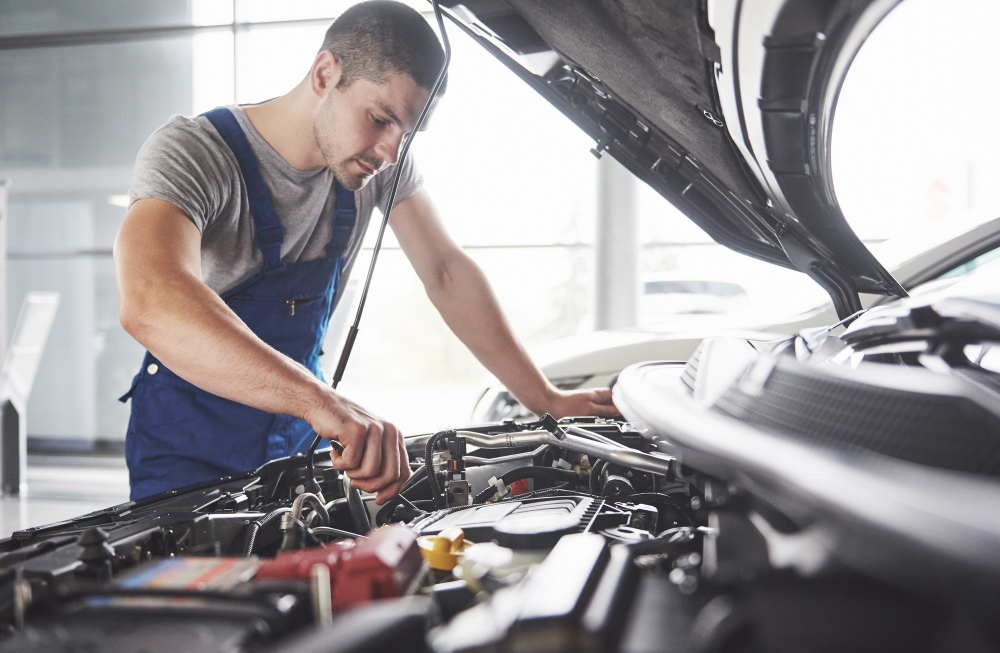
A vehicle relies on dozens of interconnected systems that must work in harmony for safe and smooth travel. From engine components and braking systems to electrical circuits and suspension parts, each element demands attention at the right time. Many drivers only visit a workshop after a breakdown, yet routine inspection often prevents major faults.
Knowing what a car mechanic handles, how diagnostics work, and what service visits involve helps vehicle owners make better decisions and avoid unnecessary repair expenses.
What Does a Car Mechanic Do?
A car mechanic inspects, diagnoses, repairs, and maintains vehicles. Their role covers far more than oil changes or tire rotations. Modern vehicles contain advanced electronics, sensors, control modules, and computer systems that require technical expertise and specialized tools.
A mechanic reads fault codes through diagnostic equipment, tests components for wear, checks fluid levels, inspects belts and hoses, and evaluates the overall condition of the vehicle. This process allows them to locate the exact source of a problem instead of replacing parts through guesswork.
Common Services Offered by a Car Mechanic
Car mechanic services cover both routine maintenance and unexpected repairs. Some of the most common tasks include:
- Engine diagnostics and repair
- Brake pad and rotor replacement
- Battery testing and replacement
- Alternator and starter motor repair
- Suspension and steering checks
- Transmission inspection and fluid changes
- Air conditioning system repair
- Electrical wiring and sensor troubleshooting
These services keep the vehicle safe, efficient, and reliable over time.
The Importance of Diagnostic Tools in Automotive Repairs
Modern automotive repairs rely heavily on electronic diagnostics. When a warning light appears on the dashboard, it signals that the vehicle’s computer has detected a fault. A mechanic connects diagnostic equipment to read these codes and interpret what they mean.
This method saves time and reduces unnecessary part replacements. For example, a clicking sound during ignition may point to a weak battery, a failing starter, or a relay issue. Proper diagnostics identify the real cause before any repair begins.
Routine Maintenance Versus Major Repairs
Routine maintenance visits differ from major repair appointments. Maintenance focuses on inspection, fluid checks, filter replacement, tire rotation, and early detection of wear. These visits often cost less and reduce the risk of expensive breakdowns.
Major repairs involve part replacement, electrical troubleshooting, engine work, or transmission issues. These tasks require more time, technical knowledge, and equipment.
Drivers who follow a maintenance schedule usually experience fewer major repairs over the vehicle’s lifespan.
Signs That You Need a Car Mechanic
Several warning signs indicate the need for professional attention:
- Grinding or squealing brakes
- Difficulty starting the engine
- Flickering dashboard lights
- Unusual vibrations while driving
- Fluid leaks under the vehicle
- Reduced fuel efficiency
- Burning smells or strange noises
Ignoring these signs often leads to higher repair costs later.
Understanding Repair Estimates and Fair Pricing
Most workshops begin with an inspection and then share an estimate before any work starts. This estimate includes parts, labor, and taxes. Comparing quotes from multiple professionals helps drivers understand fair pricing for the same repair.
Labor charges depend on the complexity of the job and the time required. Some repairs appear simple but involve removing several components to access the faulty part.
Clear communication between the car mechanic and the vehicle owner reduces confusion and builds trust.
The Role of Mobile Mechanics in Modern Automotive Care
Mobile mechanics bring services directly to the vehicle’s location. This option helps when a car does not start or when the owner cannot visit a workshop. Many routine repairs, battery replacements, diagnostics, and minor electrical work take place on-site.
Choosing the best mobile mechanic can save towing costs and reduce downtime.
How to Choose a Reliable Car Mechanic
Finding a trustworthy professional requires attention to a few factors:
- Certifications and technical training
- Experience with your vehicle make and model
- Transparent pricing and written estimates
- Positive customer reviews
- Access to proper diagnostic tools
Many drivers now rely on business directory services to compare profiles, read reviews, and find local experts quickly.
Why Regular Servicing Saves Money
Skipping service visits may appear economical at first, but small problems often grow into expensive repairs. A worn belt can damage engine components. A weak battery can affect the alternator. Low brake fluid can harm braking performance.
Using Online Platforms to Boost Your Search Visibility for Local Services
Many local automotive professionals list their services online so customers can find them easily. These listings help workshops boost your search visibility and connect with nearby drivers who need assistance.
Ready to Find a Trusted Car Mechanic Near You?
At See Near Me, we connect you with reliable local automotive professionals through our business directory services. Explore verified listings, read reviews, and choose experts who match your needs.
Join our platform to discover trusted mechanics, support local businesses, and take part in community opportunities.
Start your search today and find the right help close to home.
FAQs
How often should I visit a car mechanic?
Routine maintenance is typically recommended every 6 months or as per your vehicle manufacturer’s schedule.
What is the difference between diagnostics and repair?
Diagnostics identify the problem using tools and testing, while repair involves fixing or replacing faulty components.
Can regular maintenance really reduce repair costs?
Yes, early detection of minor issues prevents them from developing into costly major repairs.


