

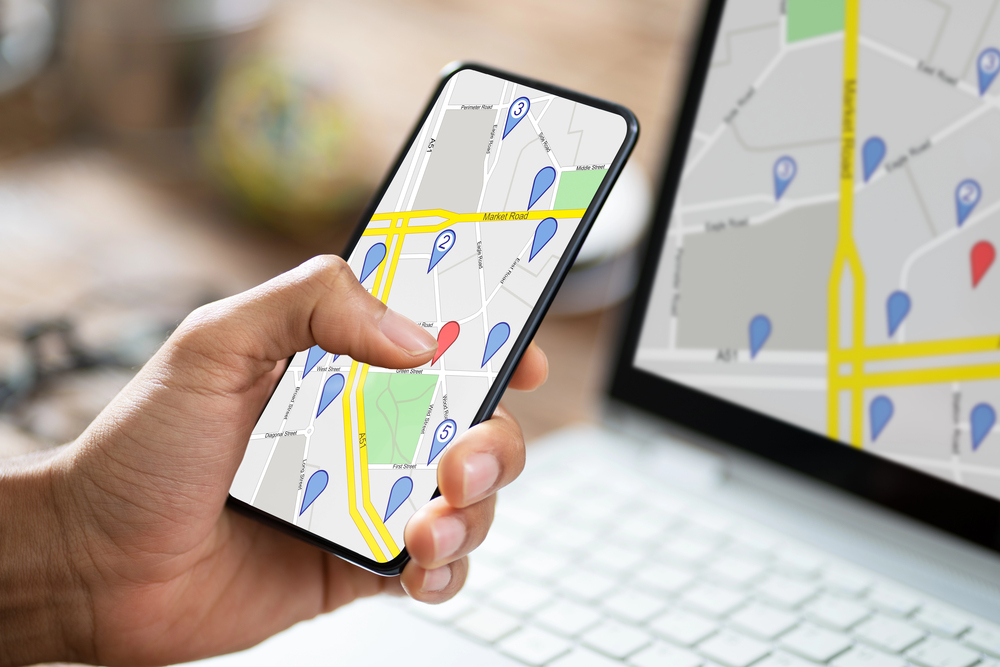
A local business listing is specifically tuned to help you connect with customers in your geographic area. Understanding how these listings work is the first step to using them effectively to build your visibility and attract more local customers.
The Core Components of a Business Listing
A complete listing is more than just a name and number. It is a collection of key details that answer a customer's most important questions. Here is what you will typically find on a good profile:
- Business Name: Your official, recognizable name.
- Address: Your physical location or service area.
- Phone Number (NAP): A direct line to reach you. Consistency in your Name, Address, and Phone number across the web is essential.
- Website Link: A direct path to learn more about your services.
- Hours of Operation: Your open and closing times, including special hours for holidays.
- Category: What type of business you are (e.g., Restaurant, Plumber, Hair Salon).
- Photos & Videos: Images of your storefront, products, team, and interior. This builds a visual connection.
- Business Description: A short paragraph explaining what you do, who you serve, and what makes you unique.
- Reviews & Ratings: Feedback from past customers, which serves as powerful social proof.
How a Business Listing Works for the Customer
The process starts with a need. Imagine someone new to town needs a haircut. They will likely pull out their phone and search “hair salon near me” or “best barber in [Town Name].” Search engines and directory apps then scour their indexes for business listings that match that query. They look at relevance, proximity, and completeness.
The results page shows a list of local salons. Each entry displays the listing information: the salon's name, star rating, distance, and, if available, a snippet of its hours. The customer can click into a listing to view photos of the salon's style, read reviews mentioning “great with curly hair,” and confirm the salon is open on Tuesday afternoon. With all this information compiled in one place, the customer feels informed and confident to make a call or book an appointment. The listing has done its job: it connected a need with a local solution.
How a Business Listing Works for Your Business
For you, the business owner, a listing is a passive marketing engine. Once created, it works in several key ways:
- It Improves Local Search Visibility: Search engines like Google use information from trusted directories to verify and cross-reference your business details. Consistent, accurate listings across multiple sites signal that your business is legitimate and located where you say it is. This consistency is a fundamental factor in ranking well for local searches, helping you appear in the coveted “local pack” on Google—the map with three business listings at the top of search results.
- It Builds Credibility and Trust: A complete listing with photos, a thoughtful description, and genuine positive reviews acts as your digital first impression. Before a customer ever walks through your door, they have already assessed your professionalism and social proof. A blank or sparse listing, on the other hand, can raise doubts.
- It Drives Targeted Customer Actions: Listings do not just generate clicks; they drive specific actions. With clear calls to action, a listing can prompt a phone call, provide turn-by-turn directions, direct users to your website, or facilitate direct bookings or appointments. The people using these listings have high intent and are actively looking to buy.
The Importance of Accuracy and Consistency
Perhaps the most crucial aspect of business listings is maintaining accuracy. Inconsistency confuses both customers and search engines. If your Google listing says you close at 9 PM, but your Yelp listing says 8 PM, a frustrated customer might find a locked door. Worse, search engines may see conflicting data and be less confident in which information is correct, which can hurt your search ranking.
This ongoing task of ensuring your information is consistent across all channels is often referred to as local business listing management. It is not a “set it and forget it” task. It requires regular checks, especially if your hours change seasonally, you move locations, or you get a new phone number.
Types of Directories: Where Should You Be Listed?
Not all directories are equal. It is best to focus your effort strategically:
- Major Search & Map Platforms: These are important. Your Google Business Profile, Apple Business Connect (for Apple Maps), and Bing Places for Business form the absolute core of your local visibility.
- Industry-Specific Directories: These cater to your niche. A restaurant needs to be on OpenTable or Resy. A contractor should be on Houzz or HomeAdvisor. These sites attract customers with a clear, specific intent.
- General & Social Directories: Sites like Yelp, the Better Business Bureau (BBB), Facebook, and Yellow Pages still hold value for broader discovery and reputation building.
- Community-Focused Platforms: Some modern platforms aim to go beyond a simple directory. At See Near Me, we view our business directory services as a community hub. It is designed not just for transactions but also to help local businesses become recognized parts of the neighborhood fabric, fostering deeper connections.
Best Practices for Managing Your Listings
Managing multiple profiles can seem daunting, but a simple system makes it manageable and ensures you stay on top of your online presence. Here is a practical approach:
- Start with a Solid Foundation: Claim and fully optimize your profiles on the major search and map platforms first, such as Google, Apple, and Bing. Upload great photos that showcase your space and work, and write a clear, friendly description that tells people what you’re all about.
- Audit Your Existing Listings: Search for your business name, phone number, and address online to see where you are already listed. Old or duplicate profiles might surprise you. Note any inaccuracies in a central document.
- Update Methodically: Correct inaccurate information on the most critical directories first. Use a simple spreadsheet to track where you are listed, your login details, and the current status of each profile. Tackling a few each week makes the process less overwhelming.
- Seek Out Relevant Niches: Once your core listings are solid, spend time finding and claiming your profile on 2-3 key industry-specific directories. These targeted sites often connect you with customers who have a more apparent intent to purchase your specific services.
- Engage and Update: Do not let your listings go stale. Post occasional updates about new products, seasonal offers, or events on platforms that allow it. Most importantly, actively respond to reviews – both positive and negative – to show you are engaged and value customer feedback.
Building a strong local presence is a marathon, not a sprint. It requires consistent effort across multiple fronts. We believe in supporting that journey holistically. Beyond supporting discovery through our directory, we are committed to fostering growth through initiatives such as our small business grant contests, which provide resources to local entrepreneurs who are committed to strengthening their communities.
Taking the Next Step
So, what is a business listing? It is the fundamental building block of your local online identity. It is a dynamic profile that works around the clock to make you discoverable, credible, and accessible to the customers searching for what you offer.
By taking the time to create complete, accurate, and consistent listings on the right platforms, you are opening a vital digital doorway to your business. It is one of the most effective and efficient ways to ensure you are found by people already looking for you.


