

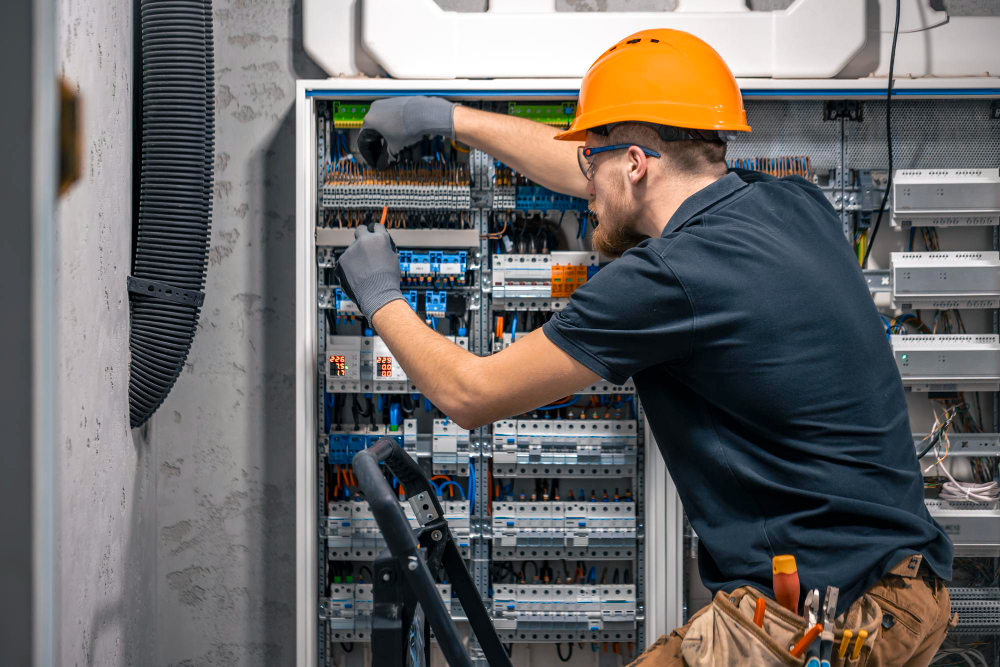
Beyond understanding career paths, knowing the responsibilities of each electrician type helps homeowners, business owners, and facility managers make informed decisions when hiring professionals. From routine installations to complex industrial systems, different specialists bring unique expertise, safety knowledge, and technical skills tailored to specific electrical projects.
Residential Electricians
Residential electricians focus on homes, apartments, and condos. They install wiring systems, lighting, heating, and cooling solutions, adapting to the specific layout and safety codes of each dwelling. Tasks often include integrating security systems, smart home technologies, and electrical outlets. Residential electricians must stay current with evolving standards so that circuits remain efficient and functional.
Apprentices typically begin under supervision, learning practical installation techniques, while journeymen gradually handle projects independently. Master-level professionals oversee teams and manage complex upgrades or troubleshooting that surpass standard installations.
Commercial Electricians
Commercial electricians operate within office buildings, retail centers, and educational institutions. Their responsibilities include installing electrical panels, circuit systems, and emergency power setups. Since commercial environments experience heavier energy demands, these electricians must carefully plan load distributions, implement safety mechanisms, and maintain regulatory compliance.
These professionals may also collaborate with contractors during renovations or expansions, making sure that electrical systems adapt to shifting occupancy needs. Small business grants can help emerging contractors purchase advanced equipment or expand workforce training to meet commercial demands efficiently.
Industrial Electricians
Industrial electricians handle factories, chemical plants, and manufacturing facilities where large machinery and specialized electrical systems operate. Their role involves troubleshooting high-voltage systems, maintaining automated production lines, and calibrating control devices. The complexity of industrial systems requires a deep understanding of electronics, safety protocols, and mechanical integration.
These electricians often coordinate with engineers and production managers to schedule maintenance with minimal disruption to operations. Extensive training and apprenticeship experience are crucial to managing the high-risk environment safely.
Maintenance Electricians
Maintenance electricians focus on ongoing inspections, diagnostics, and repairs in residential, commercial, and industrial settings. They identify wear patterns, potential hazards, and emerging issues before they escalate into costly failures. Responsibilities include testing circuits, repairing faulty components, and replacing equipment as needed.
By prioritizing routine checks and timely interventions, maintenance electricians enhance system reliability and reduce downtime. They often collaborate with facility managers to plan preventive strategies and update older systems according to current electrical codes.
Installation Electricians
Installation electricians specialize in integrating new systems across building projects, whether residential, commercial, or industrial. Their work includes mounting electrical equipment, wiring lighting fixtures, and connecting power supplies for appliances or machinery.
These electricians must interpret blueprints, understand load requirements, and adapt installations to building layouts. Successful installation projects require accuracy, thorough inspections, and coordination with other construction professionals to avoid post-installation failures.
Automotive Electricians
Automotive electricians handle vehicle electrical systems, including ignition, lighting, fuel injection, and climate controls. Their work requires diagnostic tools to identify malfunctions and repair wiring systems, sensors, or electronic control units.
With the rise of electric and hybrid vehicles, automotive electricians increasingly manage high-voltage batteries, charging systems, and complex onboard networks. Knowledge of computer-based diagnostics, along with hands-on repair skills, is important for maintaining modern vehicles.
Solar Panel Electricians
Solar panel electricians specialize in renewable energy systems across residential, commercial, and industrial settings. Their responsibilities include accurately positioning panels to capture maximum sunlight, connecting arrays to inverters, and integrating energy storage solutions for consistent power delivery. Proper knowledge of load management, wiring standards, and safety protocols is essential, as incorrect installation can damage equipment or create fire risks.
These electricians also conduct performance inspections, identify inefficiencies, troubleshoot malfunctions, perform necessary repairs, and carry out routine maintenance to optimize energy output. Staying updated on evolving solar technology is key for effective system management.
Wind Turbine Electricians
Wind turbine electricians assemble, maintain, and repair turbines, often working at significant heights and in challenging outdoor conditions. Their responsibilities include installing wiring systems, connecting turbines to power networks, and performing routine inspections to identify mechanical or electrical faults.
Safety is paramount, requiring specialized training in climbing, fall arrest systems, and high-voltage equipment handling. Wind turbine electricians collaborate with engineering teams to maintain continuous energy generation while addressing environmental and regulatory constraints.
Stages to Become an Electrician
Apprentice Electrician
Apprentices begin under supervision, gaining hands-on experience while attending classroom instruction. This stage develops foundational skills across electrical theory, safety procedures, and practical troubleshooting. Apprenticeships typically span several years, allowing individuals to gradually assume more complex tasks.
Journeyman Electrician
Journeymen have completed apprenticeships and hold licenses to work independently. They tackle installations, repairs, and maintenance projects with minimal supervision. Licenses mean that electricians meet state or federal standards, allowing them to manage projects responsibly and efficiently.
Master Electrician
Master electricians represent the highest certification level, requiring extensive experience and rigorous testing. They supervise teams, mentor apprentices and journeymen, and manage large-scale or complex electrical systems. Master-level expertise is fundamental for high-risk industrial projects, large commercial installations, and strategic system upgrades.
Discover Skilled Electricians with Confidence
See Near Me connects individuals and businesses with licensed electricians who match specific project needs. By accessing verified profiles, comparing skills, and reviewing past work, users can make informed decisions without guesswork. Whether hiring for residential wiring, commercial expansions, or renewable energy projects, this platform helps locate qualified professionals efficiently.
How We Help You Find the Right Electrician
Finding the right electrical professional becomes much easier using our directory. Users can browse verified listings, examine detailed qualifications, read ratings, and contact contractors directly. Whether managing home repairs, commercial projects, or complex industrial installations, See Near Me simplifies the process, saving valuable time and helping users make informed, confident decisions when hiring the right electrician for any job.


