- Exposure for Emerging Artists: Underground hip-hop radio provides a platform for lesser-known artists to showcase their music. This exposure can help them reach new audiences and gain recognition in a competitive industry.
- Diversity of Sound: These stations often feature a wider range of styles and subgenres than mainstream radio. This diversity allows listeners to discover unique sounds and innovative approaches to hip-hop that they may not encounter elsewhere.
- Community Building: Underground hip-hop radio fosters community among artists, fans, and local culture. It often supports local events, concerts, and collaborations, creating a network of like-minded individuals passionate about the genre.
- Authenticity: Many underground hip-hop stations pride themselves on authenticity and staying true to the roots of hip-hop culture. This can lead to a more genuine and relatable listening experience, prioritizing artistry over commercialism.
- Independence from Corporate Influence: These stations often operate independently and are not beholden to major record labels, which allows them to curate their playlists based on artistic merit rather than commercial potential.
- Education and Awareness: Underground hip-hop radio programs frequently discuss social issues, culture, and history, providing listeners with valuable context and insights into the messages behind the music.
- Listener Engagement: Many underground hip-hop radio shows encourage participation through call-ins, requests, and social media interaction, creating a more interactive and engaged listening environment.
- Support for Local Talent: Underground hip-hop radio prioritizes local artists and music, helping strengthen local economies and cultural identities and allowing artists to thrive within their communities.
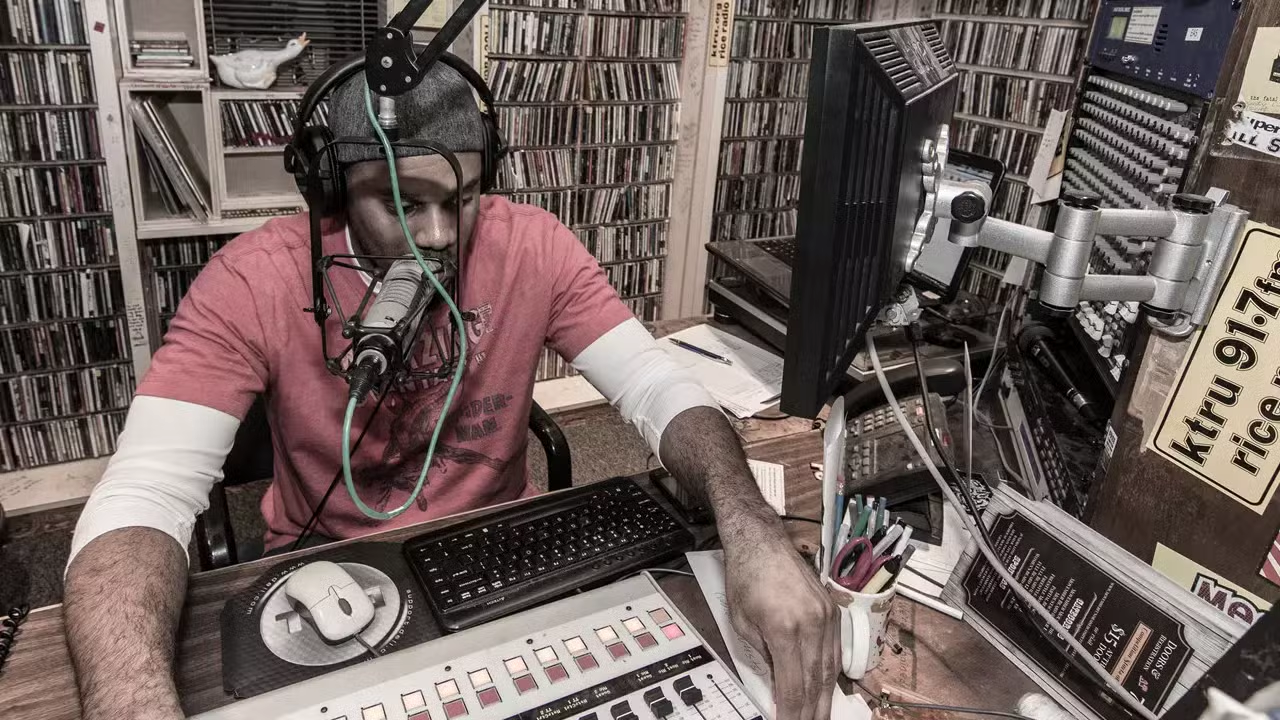
In summary, underground hip-hop radio is a vital part of the hip-hop landscape. It serves as an essential avenue for creativity, connection, and cultural expression, and The Progress Report delivers on this.